
Fire Safety

Perth Fire Services is committed to fire safety, offering resources to help residents protect their homes and loved ones. This page provides essential information on fire safety practices, emergency preparedness, and creating effective safety plans. Browse through our educational materials to stay informed, prepared, and ready to respond.

Together, we can build a safer, more resilient community.

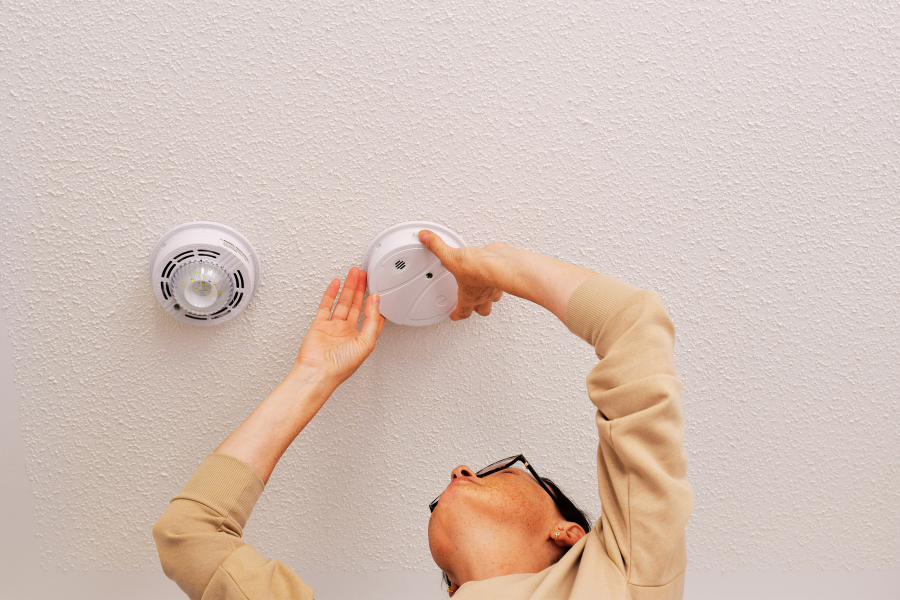
Smoke Alarms

In a fire, every second matters. You could have less than one minute to escape safely—so make sure your smoke alarms are working. The Ontario Fire Code requires smoke alarms on every level of your home, and it’s up to you to test them regularly. A working smoke alarm gives you the early warning you need to get out in time.

You must have a working smoke alarm:

  • Outside all sleeping areas
  • On every storey of your home

Make sure to test a smoke alarm monthly. You should change its batteries at least once a year or when you hear the low-battery warning sounds. Replace your smoke alarms every 10 years or when recommended in the manufacturer's instructions.

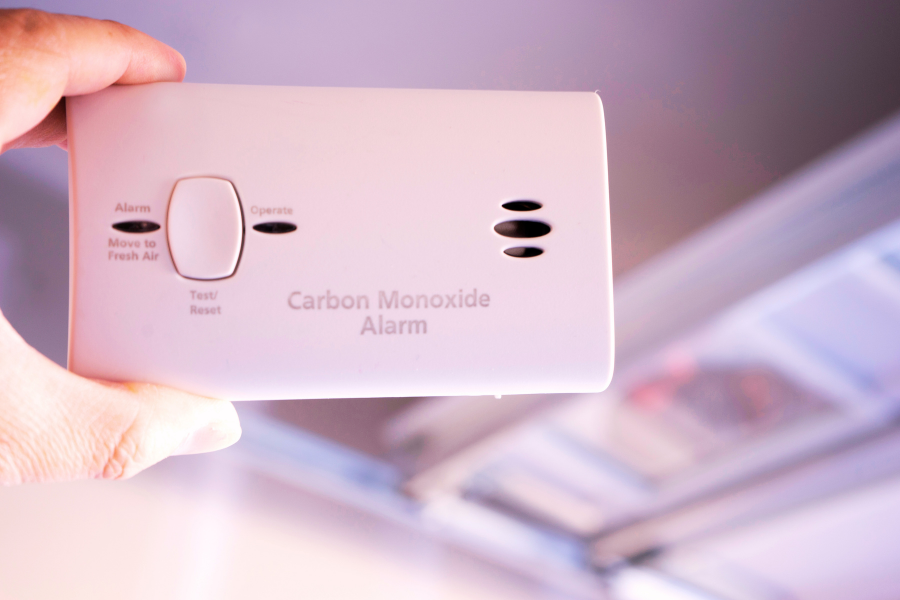
Carbon Monoxide

Over 65% of carbon monoxide deaths and injuries in Ontario happen at home.

CO is an invisible, odourless gas caused by incomplete fuel burning from sources like furnaces, fireplaces, and gas stoves. It can be deadly—especially while you sleep.

New Ontario Fire Code requirements came into effect on January 1, 2026. See below for more information for homeowners and landlords, multi-unit residential building owners and property managers, and care occupancies (e.g., Convalescent Homes, Residential Care Facilities, etc.).

For more information on CO safety, visit COSafety.ca.

Carbon Monoxide Alarms - New requirements Effective January 1, 2026

If your property has any of the following;

  • A fuel-burning appliance (furnace, gas stove, etc.)
  • A fireplace
  • An attached garage
  • (New) Heated air that comes from a fuel-burning appliance outside the home (e.g., an appliance in a utility shed)

You are required to have a carbon monoxide alarm outside sleeping areas and on every storey of the home. Landlords are responsible for installing and maintaining these alarms in all required locations.
Do you own or are you the property manager for a multi-unit residential building (e.g.: apartment, condo, multi-unit house, boarding/lodging/rooming house, etc.)?

If the suites on your property have any of the following;

  • A fuel-burning appliance
  • Are located above, below, or beside a garage
  • Are located above, below, or beside a service room with a fuel-burning appliance
  • (New) heated by air from a fuel-burning appliance not contained within the suite
A CO alarm is required:
  • Near sleeping areas
  • (New) On every storey of a unit, even storeys without a sleeping area
  • (New) In Public Corridors: CO alarms are required in public corridors if the corridor is heated by air from a fuel-burning appliance.
  • Service Rooms: CO alarms are required in service rooms with fuel-burning appliances.

Building Owners & Landlords are responsible for installing and maintaining these alarms in all required locations, including individual rental suites.

If the suites within your care occupancy have any of the following;

  • A fuel-burning appliance
  • Are located above, below, or beside a garage
  • Are located above, below, or beside a service room with a fuel-burning appliance
  • (New) Heated by air from a fuel-burning appliance not contained within the suite
A CO alarm is required:
  • Near sleeping areas
  • (New) On every storey of a unit, even storeys without a sleeping area
  • Service Rooms: CO alarms are required in service rooms with fuel-burning appliances.
Action Steps:
  • Determine if CO alarms are needed and where they must be installed
  • Make sure you buy CO alarms with a recognized testing logo (like CSA, ULC or ETL). Read the instructions for key installation information
  • Establish a clear maintenance and replacement schedule

Carbon Monoxide Safety: Protect Your Home and Family

Carbon monoxide (CO) is often called the “invisible killer” because it is a colourless, odourless, and tasteless gas. It is produced when fuels such as gasoline, wood, coal, natural gas, propane, oil, or methane do not burn completely.

  • Furnaces and fireplaces
  • Hot water heaters and stoves
  • Portable heaters and generators
  • Vehicles left running in attached garages

Carbon monoxide alarms are life-saving devices that detect dangerous levels of CO and provide early warning. According to the Ontario Fire Code, if your home has a fuel-burning appliance, a fireplace, or an attached garage, you are legally required to install a CO alarm adjacent to each sleeping area.

  • Move to fresh air immediately—outside or near an open window or door.
  • Account for everyone in the home.
  • Call 911 from a safe location.
  • Stay outside until emergency personnel confirm it is safe to re-enter.

  • Test alarms monthly to ensure they are working properly.
  • Replace batteries at least once a year, or when you hear a low-battery warning.
  • Replace alarms every 10 years, or as recommended by the manufacturer.
  • Keep outside vents clear. 
  • Never use portable fuel-burning appliances in your home.
  • Get an inspection for all fuel burning appliances in your home at least once a year. Find a registered fuel contractor at TSSA.org.

Escape Plan

A home fire can spread quickly, leaving you with just seconds to get out safely. Having a plan—and practising it—can make all the difference. Make sure everyone in your household knows what to do, where to go, and how to get there.

  • Plan two ways out of every room, if possible
  • Hold a fire drill at least twice a year
  • Install smoke alarms on every storey of your home and outside all sleeping areas
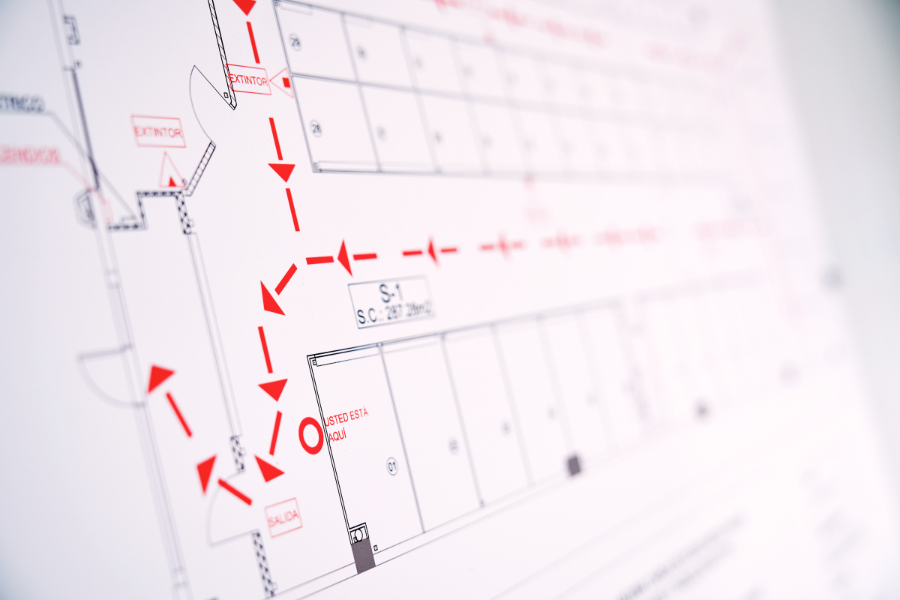
During a fire, you don't have a lot of time. Make a plan with your family so that they know what to do in an emergency and how to escape a fire. Take a few minutes with everyone in your home to make your home fire escape plan, following these instructions:
  • Draw a draw a floor plan for each story of your home.
  • Draw in all the doors, windows, and stairways. This will show you and your family all possible escape routes. Include any features, such as the roof of a garage or porch, that would help in your escape.
  • Show two ways out of every room, if possible.
  • Decide in advance who will assist the very young, older adults or people with disabilities in your household.
  • Choose a meeting place a safe distance from your home that everyone will remember. In case of fire, everyone will go directly to this meeting place.
  • Once you have safely escaped, call the fire department.
  • Review the plan with everyone in your household. Walk through the escape routes for each room with the entire family. Use this walk-through exercise to check your escape routes, making sure all exits are practical and easy to use. Then hold a fire drill twice a year and time how long it takes. 

If you live in a high-rise apartment building, contact the building management for information on what to do if there’s a fire in your building.